The Boil Window: Putting 2026's Telly Credits on the Stopwatch
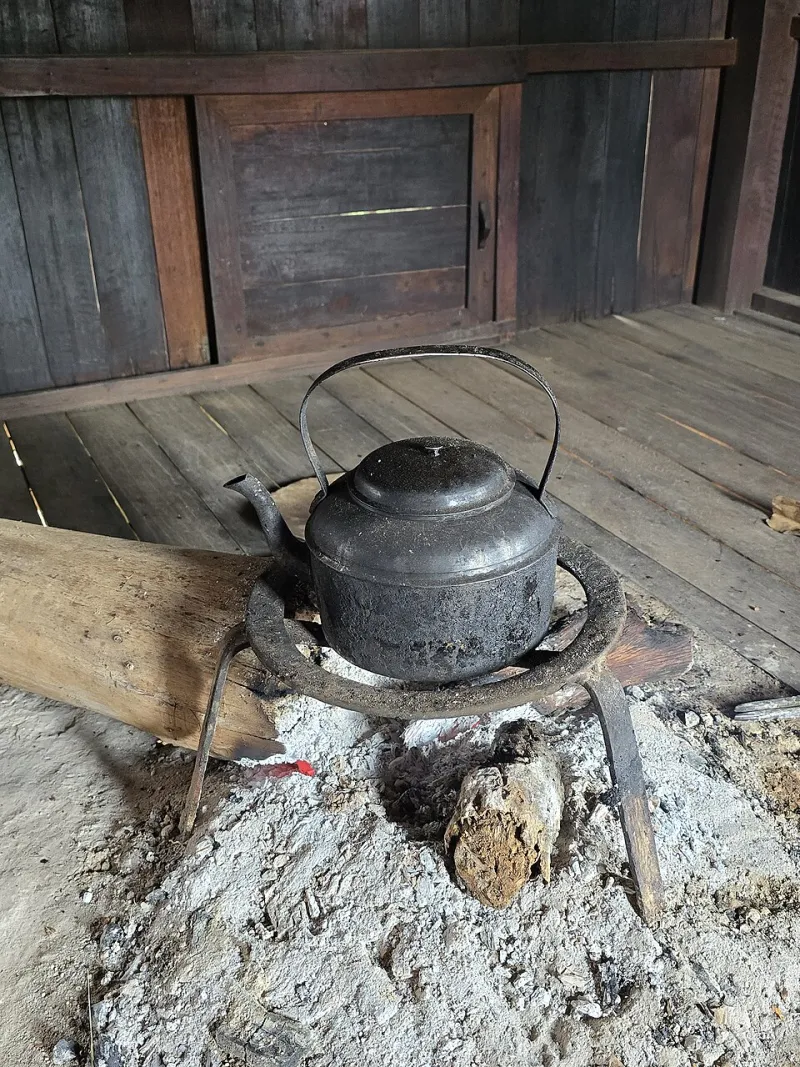
Photo: Saosukgam, CC BY-SA 4.0, via Wikimedia Commons
The opening credits are a contract. They say: here is the mood, here is the cast, here is your window to fill the kettle. In 2026, that window is under threat. Some shows give you a full three minutes. Some give you forty seconds and a smug title card. We timed them.
The rules of the dash
The test kitchen used a 1.7-litre kettle, a 3kW element and a UK plug. A full boil takes between 2 minutes 40 seconds and 3 minutes 10 seconds. The dash includes: pause, stand, walk, fill, switch, return, sit, unpause. Anything under 90 seconds is a tease. Anything over three minutes is a lifestyle.
The 40-second cruelty: 2/10
A cold open, a title card, straight into a scene of someone shouting in a car park. You have time to fill the kettle but not switch it on. You return to a kettle that is still cold and a plot that has moved on. This is not a tea break. It is a test of loyalty.
The 95-second fake-out: 5/10
A title sequence with a song and a slow pan over a city. It feels generous. It is not. You can fill the kettle and switch it on, but you cannot get a mug. You stand in the kitchen listening to the theme tune from the hallway, which is a special kind of loneliness. The kettle finishes during the first scene. You miss a look. It was probably important.
The 2m 30s slow burn: 9/10
A drone shot, a bass note, a cast list that scrolls like a credits sequence should. You can fill, switch, fetch a bowl and be back before the first line of dialogue. This is the sweet spot. It respects the audience. It understands that television is a physical activity.
The 3m 10s epic: 10/10
A prestige drama with a full orchestral overture and a title sequence that feels like a short film. You can boil, brew, butter a crumpet and still have time to sit down. The only risk is overconfidence. You make a second cup. You miss the inciting incident. You regret nothing.
The ad-break asterisk
On commercial telly, the credits are compressed into a corner of the screen while a voiceover tells you about car insurance. The real kettle window is the ad break. But ad breaks are not credits. They are a different sport. The stopwatch does not lie: a title sequence is the purest test of a show's generosity.
The ranking
- The 3m 10s epic. 2. The 2m 30s slow burn. 3. The 95-second fake-out. 4. The 40-second cruelty. The lesson is simple. If a show wants you to make a cup of tea, it should give you the time. If it does not, it should at least give you a biscuit. In 2026, the best title sequences are the ones that understand the British bladder and the British kettle. The worst are the ones that assume you have a butler.
The final whistle
The stopwatch is a blunt instrument, but it tells the truth. A good title sequence is a small act of hospitality. It says: sit down, put the kettle on, we will wait. A bad one says: keep up. In a year of cliffhangers and cold opens, the humble credits remain the most underrated part of telly. They are not just a list of names. They are a tea break with a deadline.